He demoed a dozen PIMS. Then he switched.
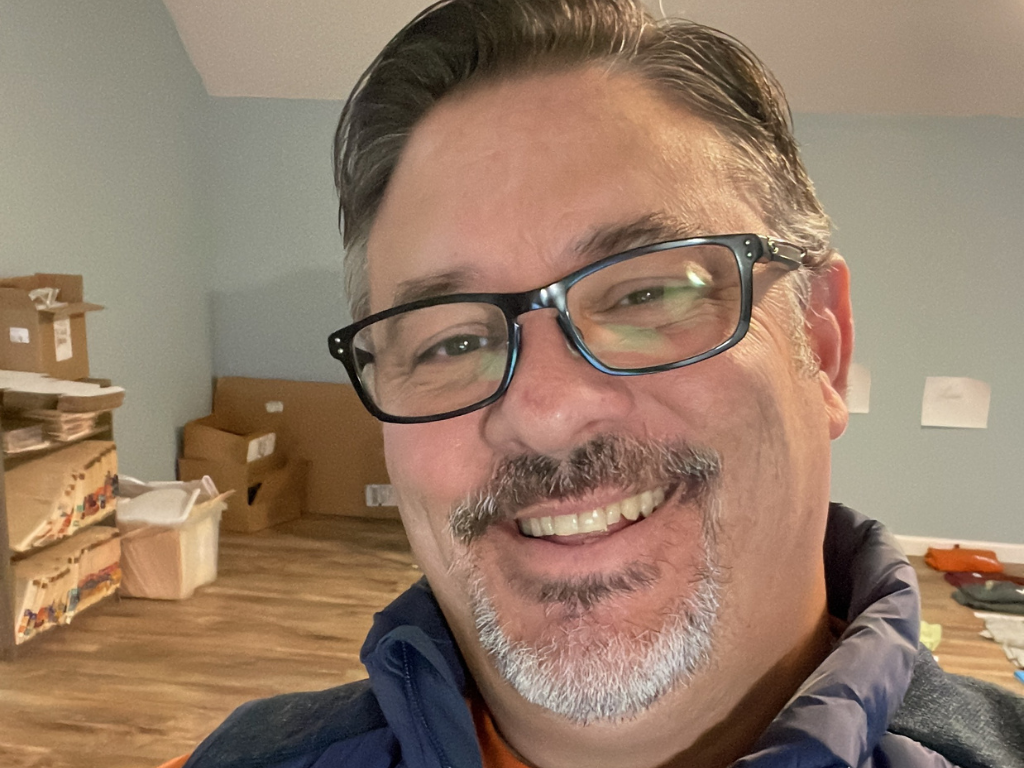
“Shepherd has been more than just a management system for us. It’s been a business partner.” — Jamie Bennett, Practice Manager
When Jamie Bennett stepped into a practice manager role in Dalton, Georgia, the practice was doing high-quality medicine on late-90s software and paper-lite workarounds. Modernizing was his first assignment, and he knew where it had to start.
“I knew the first thing I needed to modernize was their PIMS,” Bennett says.
Then he demoed twelve of them.
What he was screening for
Twelve demos is more diligence than most practices do, and it left him with three criteria that mattered more than feature lists.
An interface his most experienced doctor could use. “I knew that my younger team members would be able to pick up on any software, but our owner-veterinarian had been practicing for 30-plus years. I needed a management system that was going to be easy for him to use.”
One system instead of a stack. “I was paying for add-on, after add-on, after add-on. I needed a one-stop shop, which is what Shepherd provides.”
A company that would build what he asked for. “I could say, ‘Hey, wouldn’t it be great if the software did this,’ and those requests were taken seriously. Sometimes those changes would appear a few months later in the software. Shepherd really listens and pays attention to my needs. As a manager, that excites me, because I’m able to mold the software to our practice’s process and create an ideal workflow that works for us.”
That third one is by design. Shepherd’s roadmap is set by what practitioners tell us breaks during a real shift. Veterinary experience runs across the team, and a Director of Veterinary Medicine sits on staff to keep the clinical judgment inside the building rather than outsourced to a feedback form.
The transition plan
Bennett is direct about what a conversion costs you.
“When you move management systems, it’s going to be a heartbreaker, no matter what you do,” he says. “But we put a lot of work into it.”
Here is what that work looked like.
1. Rebuild inventory from a clean slate. “We made sure that our inventory was painstakingly correct, ensuring that we recorded in Shepherd exactly what we had on hand in the hospital. Starting off on a clean slate of inventory that we could build from was a big thing for us.”
2. Run the online training modules to completion. Not a skim. All the way through, before anyone touched a live record.
3. Request scenario training by role. Bennett asked his Shepherd Account Manager for separate scenarios for CSRs, technicians, and veterinarians. Each role practiced its own day, not a generic tour.
4. Rehearse on the virtual training site. The team made appointments, created clients, checked them in and out, entered treatments, and built estimates, all against practice data.
5. Close the hospital for a dress rehearsal. The Sunday before go-live, the practice shut down and ran live simulations. “We had demo clients call in and come in with their animals. Every team member went through the entire process from check-in to checkout.”
Then they went live.
“By the end of our launch day, it was like we had been using Shepherd the entire time,” Bennett says.
That is what we mean by Second Nature Software™. The plan he built is the reason it arrived on day one instead of month three.
What it looked like after
The dashboard and digital whiteboard run on large monitors around the practice, so doctors and technicians can see where every patient is and what’s outstanding without asking.
For Bennett, the reporting is the part he uses most. “As a manager, I love having a daily, weekly, and monthly snapshot of our clients, inventory, the money that’s going out and coming in. That’s been incredibly valuable.”
It showed up in the ledger. “I could see it in my ledger at the end of the month and year. Shepherd allowed us to manage our costs and how we’re charging clients. It gave me a good idea of whether I was in the ballpark. It’s helped me grow the business.”
It also bought back room in the schedule. “This is a busy clinic,” Bennett says. “Having an opportunity for the veterinarians to breathe and refocus between exams is a huge asset. It’s helped reduce stress.”
His reason for staying is not on the feature list. “With Shepherd, it’s not only about what’s on the screen, it’s the people behind it who are there to support you.”
Planning your own switch
If you’re the person who will own the conversion, the plan matters as much as the platform. We’ll walk your workflows, your inventory, and your go-live timeline before you commit to anything.