A Practice Built Around Mobility, Comfort, and Time
Veterinary Rehabilitation Medicine of Ohio isn’t built around exam rooms, waiting areas, or tightly scheduled 20-minute appointments. It’s built around something simpler and harder to standardize: the patient’s real life.
As a mobile, single-doctor practice, Dr. Traci Patnode meets her patients where they are most comfortable: at home.
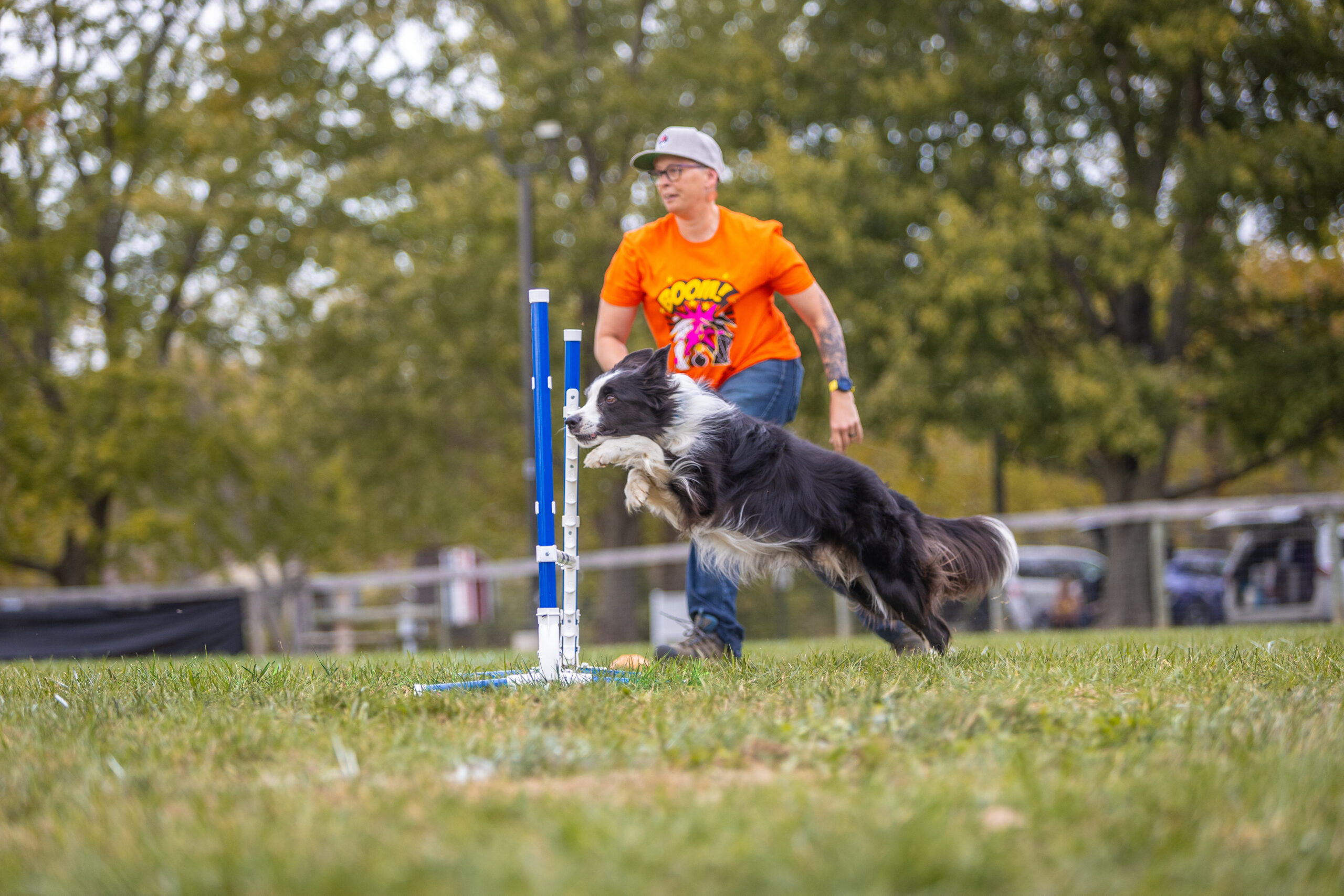
There, she treats a wide range of cases, from senior dogs managing chronic pain to post-operative patients and canine athletes recovering from injury. Every visit is shaped by the dog’s environment, behavior, and daily routine.
That flexibility is what makes rehabilitation medicine so powerful. It’s also what makes running a practice like this uniquely complex.
Rebuilding the day around the patient
Dr. Patnode’s path into rehabilitation medicine wasn’t clinical; it was personal.
Her senior dog, Jack, began losing mobility and living with chronic pain. Through rehabilitation therapy, he regained comfort and movement. He could hike and swim again. Those extra years of quality life left a lasting impression.
They also revealed a gap.
Access to rehabilitation care remains limited, especially in Ohio. Many patients who could benefit (aging dogs, surgical recoveries, active breeds) don’t receive it, often because traditional clinic models aren’t designed to support this kind of care.
Travel can be difficult, time is constrained, and the environment itself can work against progress.
So Dr. Patnode built a practice designed to meet patients where they are, both physically and clinically.
“We are a single-doctor practice,” she said. “I visit patients in their homes and offer several modalities depending on their needs.”
The challenge: Time, pressure, and fragmented workflows
Before launching her mobile practice, Dr. Patnode worked in general practice. The pace was familiar but often limiting.
“I wasn’t able to give patients the time that they needed during 20-minute appointments,” she said. “I often felt rushed.”
Trying to deliver thoughtful care within a rigid structure is something many veterinary professionals recognize. It affects not just the quality of care, but the experience of providing it.
For a mobile model, those same pressures show up differently.
Without the right systems in place, documentation, communication, and coordination can quickly become fragmented, especially when the “clinic” is constantly moving.
The shift: One place for care, communication, and coordination
Dr. Patnode found a way to support the kind of practice she wanted to build without adding operational friction.
“What feels meaningfully better now is having a tool to document all aspects of patient care, as well as inter-office communication and client messaging,” she said. “It is a one-stop shop.”
Instead of juggling multiple systems or relying on manual workarounds, everything lives within Shepherd. Patient records, client conversations, and internal coordination stay connected, even when the team isn’t in the same physical location.
That matters in a mobile setting, where continuity depends on clarity.
It also supports something more foundational: time.
That means more time to observe, adjust treatment, and connect with both the patient and their owner in a meaningful way.
What this looks like in practice
For Veterinary Rehabilitation Medicine of Ohio, the impact shows up in small, concrete ways throughout the day.
A fully paperless workflow
Without paper-based bottlenecks, records are easier to manage, share, and act on, especially when working across locations.
“When I receive medical histories from some practices, and I am provided scanned copies of paper documents, I realize how fortunate I am to have such a great tool for my practice,” Dr. Patnode said.
Client communication that stays connected
She points to Shepherd’s messaging tools as a key difference. Communication with clients no longer lives across disconnected channels. Instead, it’s centralized, trackable, and easy to reference.
That reduces missed details and follow-up gaps, both critical in rehabilitation care, where progress depends on consistency between visits.
A remote team that works as one
Even as a single-doctor practice, Dr. Patnode works with an administrative team operating remotely. Her practice information management system (PIMS) enables them to stay aligned without needing a shared physical office.
“Shepherd enables us to operate as a mobile practice, and my admin team can seamlessly work in their respective remote offices. This was key,” she said.
From her client’s perspective, that coordination translates into something else entirely: professionalism.
“The perception of one of my clients was that we were a big, corporate organization,” she said, pointing in part to the structured intake process powered by digital forms.
When it clicked
For Dr. Patnode, the moment Shepherd’s workflow-first, second-mature software “clicked” wasn’t about a single feature. It was about alignment.
The system didn’t require her to reshape her workflow to fit the software. Instead, it supported the way her practice already needed to operate: mobile, flexible, and patient-centered.
That alignment is what allows the day to unfold more naturally, without the friction that often comes from disconnected tools or rigid systems.
A recommendation grounded in experience
Dr. Patnode has already referred a colleague to Shepherd.
“I would say that it is a very powerful tool for practices like mine, with a customer support team that listens to and resolves problems,” she said.
It’s a practical endorsement, rooted in day-to-day clinical use.
A different kind of veterinary workflow
Veterinary Rehabilitation Medicine of Ohio is a reminder that not all veterinary care happens inside four walls, and not all workflows should.
By building her practice around the patient’s environment, Dr. Patnode has created space for more thoughtful, responsive care. And with the right systems in place, that model becomes not just possible, but sustainable for the long-term.
If you’re exploring a more flexible or nontraditional practice model, see how Shepherd supports workflows like this where care, communication, and coordination stay connected, wherever the day takes you.
Be the next success story. Schedule a Shepherd demo today.