National Puppy Day: Revenue-Boosting Marketing Strategies for Your Practice
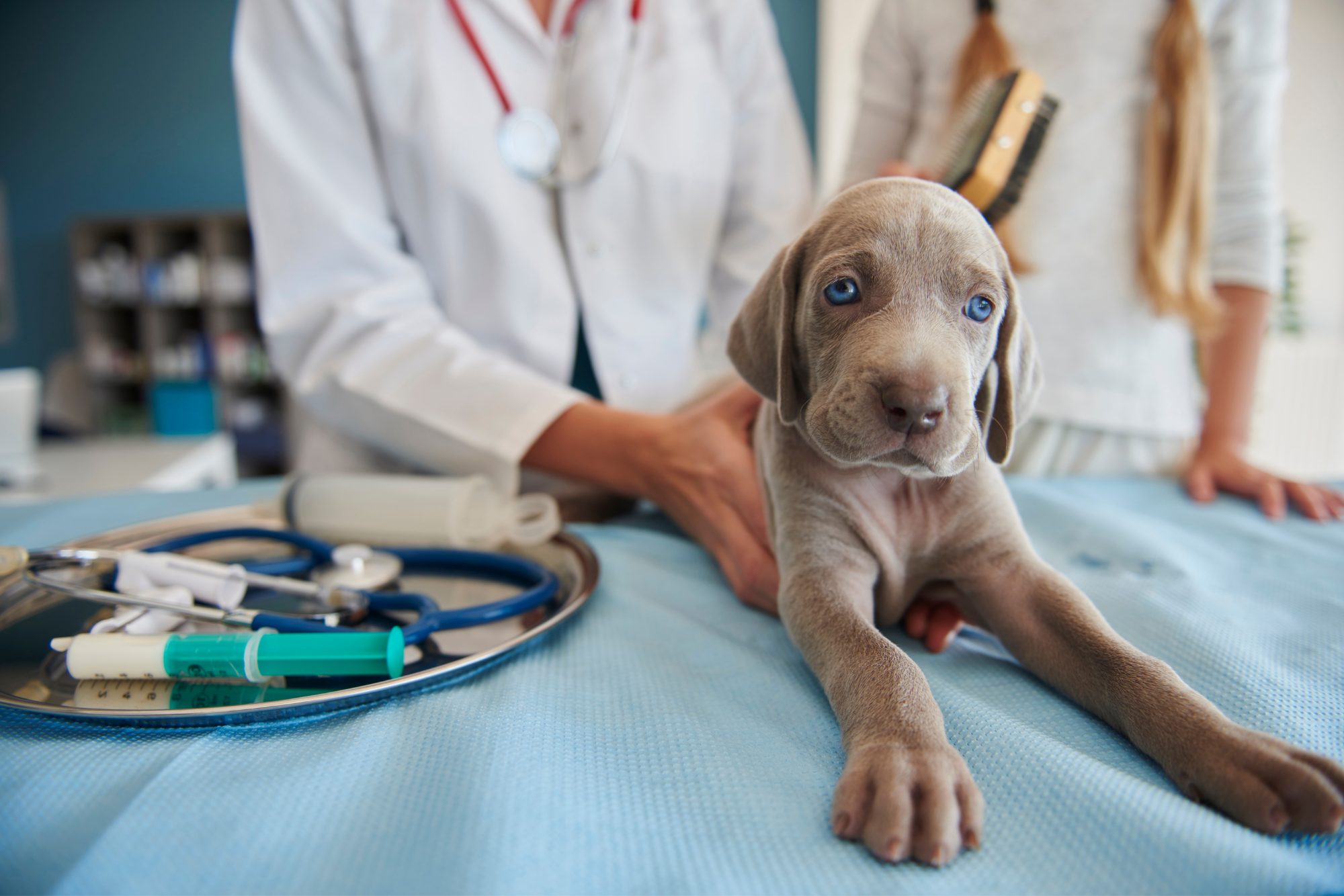
National Puppy Day (March 23) often shows up on social media as a parade of cute photos and for good reason. Puppies are adorable. Clients love them. Your team loves them.
For veterinary practices, these animal-centered celebrations can serve as a natural but strategic moment to welcome new clients and start long-term preventive care relationships.
The first puppy visit often leads to a full care journey: vaccination series, parasite prevention, spay/neuter planning, nutrition counseling, training advice, and years of wellness visits.
The opportunity is real. According to the American Pet Products Association, roughly one in three U.S. households acquires a new pet each year, and a significant portion of those are puppies. If your clinic captures even a small share of those first visits, the lifetime value of that patient can be substantial.
The challenge isn’t demand. It’s reaching the right clients at the right time and making it easy for them to schedule.
Below are practical, clinic-ready ways to turn National Puppy Day into a revenue-generating marketing moment using the tools already inside your PIMS.
1. Run a ‘New Puppy Welcome’ scheduling digital marketing campaign
New puppy owners are highly motivated to schedule veterinary care, but only if they know where to start.
A simple New Puppy Welcome campaign in the weeks leading up to National Puppy Day can highlight:
- First wellness exams
- Core puppy vaccination series
- Microchipping
- Parasite prevention
- Nutrition and training guidance
Instead of generic promotions, keep the message practical and supportive: “Just welcomed a new puppy? Our veterinarians recommend scheduling the first visit within the first few weeks at home. Book your puppy’s wellness exam today.”
The most successful campaigns remove friction with clear messaging and easy ways to schedule.
Even a small increase in first-time puppy visits can have a large long-term impact. Puppy patients typically require multiple visits during the first year, which helps build a predictable appointment flow.
2. Use client data to target the right pet owners
One of the most powerful marketing tools in your practice is already sitting inside your software: your patient data.
Rather than sending the same message to every client, you can create targeted campaigns based on information like:
- Patient age
- Species
- Breed
- Vaccination status
- Visit history
This makes communication feel helpful rather than promotional. For example, you could send:
To clients with puppies under 16 weeks:
“Your puppy’s vaccination series protects them during their most vulnerable months. If your next booster appointment isn’t scheduled yet, our team has openings this week.”
To clients who recently added a puppy:
“Congratulations on your new family member! Our veterinarians recommend scheduling a wellness exam within the first few weeks to review vaccines, nutrition, and preventive care.”
Targeted outreach like this increases engagement because the message is timely and relevant to the client’s situation.
Instead of blasting a generic announcement, you’re providing guidance exactly when it’s needed.
3. Build message templates for faster communication
If you work at the front desk (or, really, anywhere in a veterinary clinic), you already know how often the same questions come up.
Every week, teams answer things like:
- When does my puppy need the next vaccine?
- What food should we feed?
- Is this normal puppy behavior?
- When should we schedule the next visit?
Instead of rewriting those responses each time, create message templates your team can send instantly.
For example:
Puppy vaccine reminder template:
“Hi [Client Name]! Based on your puppy’s last visit, it’s time for their next booster vaccine. Staying on schedule helps protect them during their most vulnerable months. You can book the next visit here: [link].”
Post-visit follow-up:
“How is [Puppy Name] doing after their visit? If you have any questions about training, nutrition, or medications, just reply here—our team is happy to help.”
Templates reduce response time and keep communication consistent across the team.
Even better, when messaging tools are connected to the patient record, the entire conversation stays tied to the medical history instead of living in disconnected apps or email threads.
4. Turn preventive care into a series (not a single visit)
The puppy stage naturally creates multiple touchpoints:
- 6-8 week visit
- 10-12 week booster
- 14-16 week booster
- Rabies vaccination
- Spay/neuter consultation
- First annual exam
Instead of marketing each visit individually, position it as a structured first-year care plan.
Your communications might look like:
“Your puppy’s first year includes several important milestones. Our team helps you stay on schedule with reminders for vaccines, parasite prevention, and wellness visits.”
Automated reminders tied to treatments and products can help keep those appointments on track.
That improves:
- Patient outcomes
- Client compliance
- Predictable practice revenue
5. Reduce front-desk load with messaging and self-service
Puppy owners ask a lot of questions.
That’s a good thing, but it can overwhelm your front desk during busy hours.
Modern veterinary communication tools can help shift many of those interactions to asynchronous channels:
- Two-way texting
- Online portals
- Automated reminders
- Pre-visit forms
Clients can request appointments, ask follow-up questions, or access medical records without calling the clinic.
For your team, that means:
- Fewer phone interruptions
- Faster responses
- Clearer documentation tied to the patient record
And for clients, it simply feels easier.
How Shepherd helps practices run Smarter campaigns
Strategies like these work best when your communication tools are connected to your clinic’s workflow, not scattered across multiple apps.
For instance, Shepherd’s Messaging Center allows veterinary teams to communicate with clients without leaving their practice management software. Messages stay tied to the patient record so your team never loses context during busy days.
Practices can also create customizable templates for common communications, like vaccine reminders, puppy care instructions, or post-visit follow-ups, so staff can respond quickly and consistently.
And with audience filters, you can send targeted messages to specific client groups based on information already stored in the record, including:
- Patient age
- Breed
- Medical history
- Visit status
Instead of sending one generic message to your entire client base, you can send tailored outreach to the exact clients who need it most.
That means less manual work for your team and more meaningful communication for your clients.
Turning first puppy visits into lifelong patients
National Puppy Day may only be a once-a-year celebration on the calendar, but the relationships it can start have the potential to last for years.
When veterinary practices combine thoughtful marketing with strong communication tools, they can:
- Welcome new puppy owners at the right moment
- Encourage early preventive care
- Reduce front-desk workload
- Build long-term patient relationships
And when your software connects scheduling, messaging, medical records, and reminders in one workflow, those efforts become easier to manage across the entire clinic.
The result is more puppies getting the care they need, more consistent revenue for your practice, and a clinic day that runs a little smoother.