The Phone Call That Could’ve Been a Text: A Vet’s Take on Client Communication
There was a time early in my career when I thought great medicine meant great phone calls. Thoughtful explanations, thorough updates, making sure every question was answered before I hung up. And to be clear, communication does matter. It is one of the biggest drivers of trust in a veterinary hospital. But somewhere along the way, the phone became the default for everything, and the reality is that it is not always the best tool for the job. In fact, a lot of the chaos we feel during the day lives inside those calls.
The hidden cost of “just a quick call”
Phone calls are rarely quick.
You start with a simple update, maybe going over a skin case or reviewing bloodwork, and before you know it, you are ten minutes in, gently trying to redirect a conversation that has wandered into a story about a pet from twenty years ago or a neighbor’s dog or the rash on their 2-year-old- human toddler’s arm.
You are trying to be both kind and efficient at the same time, which is a harder balance than it sounds. As you finally wrap the call, document it, and attempt to move on, the client says those dreaded words: You now need to call the spouse and the mother-in-law, who lives in the house and is also part of decision-making.
That one call quietly turns into three, and what felt like a quick task is now a meaningful chunk of your day.
How to kindly refocus without losing the relationship
Our communication struggles aren’t rooted in a lack of concern - quite the opposite, actually. We struggle with client communication because we care so much and want to provide the best service possible.
We do not want clients to feel rushed.
We do not want clients feeling dismissed.
We do not want clients feeling that they cannot ask all their questions.
We want clients to feel heard, seen, and armed with all the information they need in that moment.
What helps is learning how to guide the conversation without shutting it down. Setting the tone early can make a big difference. Letting a client know you want to make sure you cover their pet’s results and next steps first creates a shared focus from the beginning.
And when conversations drift, as they almost always will, a gentle redirect can keep things on track without feeling abrupt.
Bringing your conversation back to the plan. Summarizing what matters most, and closing with clear takeaways helps the client leave feeling supported while also protecting your time and attention.
The real problem is not the call, it is the repetition
What really wears on you over time is not just the length of a call, it is how many times you have to repeat the same information. Explaining the same allergy plan to multiple family members, answering the same questions again because the first conversation did not get shared clearly, rehashing details that you already covered once. This is where rethinking the system can make a meaningful difference. Some hospitals have started recording themselves going over results, creating a clear, thoughtful explanation that the client can listen to again and share with anyone else involved in the pet’s care. You say it once, and it carries further. It improves clarity for the client and gives you back time and energy that would have otherwise been spent repeating yourself.
When the phone is not even the best tool
There are also very real logistical challenges with phone calls. Connections are not always reliable, you are often calling from between rooms or trying to follow up from home, and there is always that underlying tension of not wanting to use your personal phone number. Because protecting your privacy matters. Systems like VoIP or platforms like Ring can help route calls through your hospital number so you are not giving out your personal information, which is a meaningful improvement. But even with better tools, it is worth asking a bigger question. Does this need to be a phone call at all?
Many hospitals have moved away from fax machines because they stopped making sense. In many ways, the phone is starting to fall into that same category for a lot of what we do. And what has been surprising is how many clients agree.
Clients often prefer something simpler
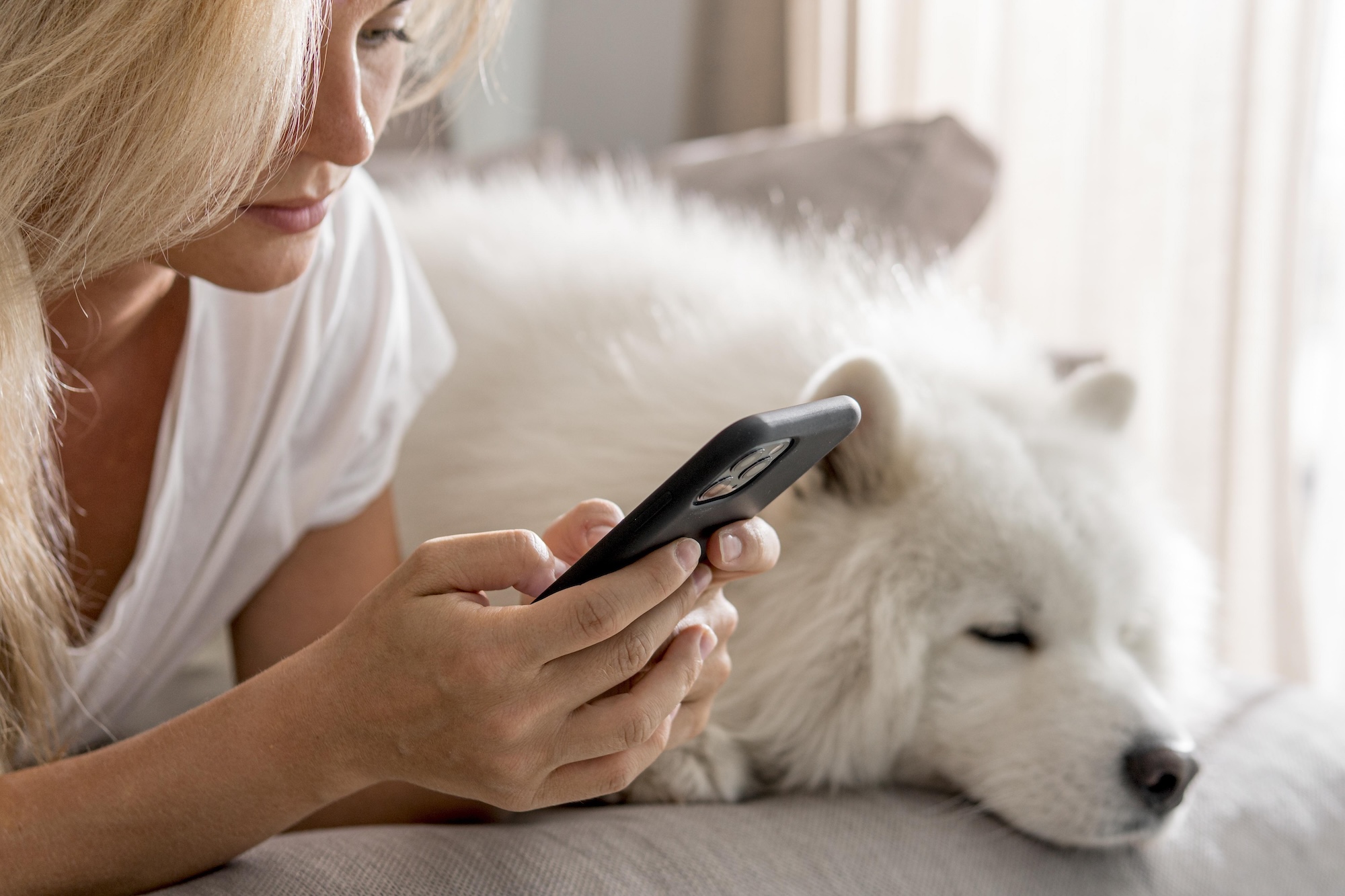
Many clients would rather receive a text or an email. They are at work, in meetings, managing kids and schedules, and a call can actually feel disruptive to them. A clear, thoughtful message they can read on their own time is often more convenient and - bonus - more effective!. It also allows you to communicate in ways the phone cannot. You can include photos for things like dermatology cases, wounds, or dental findings. You can provide written instructions that do not rely on memory. You create a record that both you and the client can reference later. It becomes less about catching someone at the right moment and more about delivering information in a way that actually fits into their day.
Setting expectations during the exam changes everything
The best communication does not happen after the visit, it starts during it. Before the client leaves the room, taking a moment to align on what happens next can prevent so much confusion later. How will results be delivered, when should they expect to hear from you, and who will be reaching out are simple questions that create clarity. When you say, “I will review these tomorrow and send you a text with the plan,” you are not only setting expectations, you are also giving yourself permission to not default to a phone call. That shared understanding removes uncertainty for the client and reduces follow-up friction for your team. And, better yet, if you’re using transcription tools like TranscribeAI, it’s already in the patient’s record at the end of the visit. No copy and pasting. No forgetting to type the discussed plan. It’s already right where you want it.
Build systems so it is not all on you
This is where communication becomes something the whole team can support, rather than something that sits entirely on the doctor’s shoulders. Preset responses for normal results can be incredibly helpful. When they are written thoughtfully, they still feel personal but save a significant amount of time. Your technicians and CSRs can often handle these updates, which keeps care moving without every communication point routing back through you. You are still overseeing the medicine, still making the decisions, still providing the correct language, but you are not carrying every single communication yourself. That shift matters more than it seems.
Calm is not about doing less, it is about choosing better
In veterinary medicine, we talk a lot about efficiency, but what we are really chasing is a calmer day. And calm is not about doing less or caring less. It is about removing unnecessary friction. The phone is one of the biggest sources of that friction, not because it is inherently bad, but because we rely on it for things it is no longer the best tool for. When we become more intentional about how we communicate, choosing text, email, recorded explanations, and clear expectations, we create space. Space to focus, to think, to be present in the exam room instead of mentally tracking the calls we still need to make. The goal is not to eliminate connection, it is to make sure the way we connect actually supports the work we are trying to do. Sometimes, the best call you make all day is the one you never had to pick up.